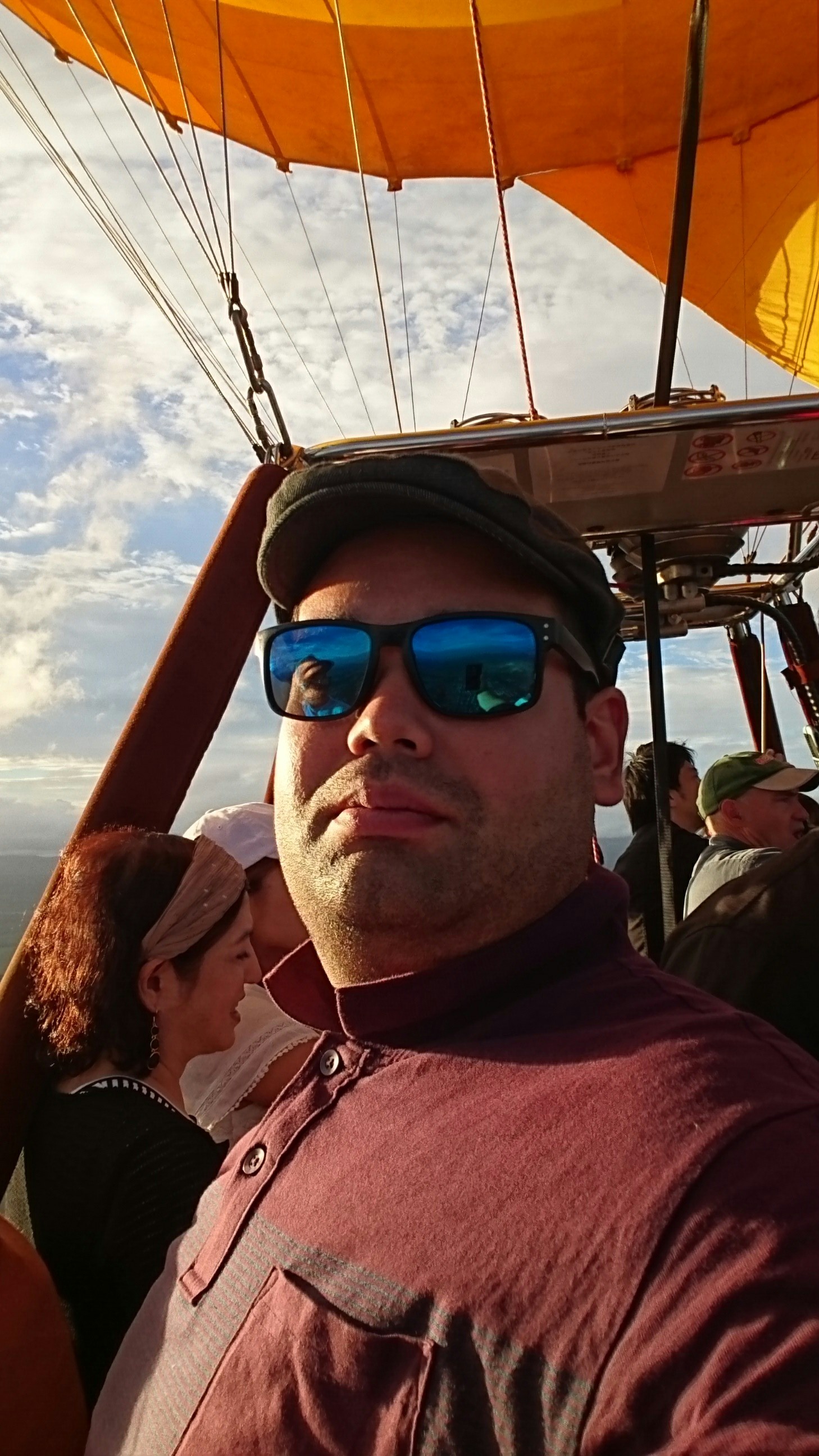
Our friend, BILLY GENSMER, of Wisconsin has written about his family and his journey to the Oderbruch area, west and east of the Oder/Odra River in 1999 and again in 2000. It seems that his 1999 trip was just a few weeks apart from that of Amy KLEMKE Uehara’s the same year. It would have been great to meet there as we have much in common.
We are quite impressed that as a young man, he drove across Germany and into Poland on his own without any car navigation assistance!
During his trips he discovers much about the families that emigrated from the area to the USA between 1846 and 1851.
Surnames mentioned are: GENSMER; GENZMER; GENTZMER; KASTNER; HERWYEN; SPIREK; DEWITZ; DORN; DAHRENDT; DAHRENS; DORNFELD; DORNFELDT; METZKE; MATZKE; JAHANEN; JAHANES; MEIERS; STANTZ; STANZ; PASCHE; STEINBACH; HILKE; KIESE; VOIGT; MELCHER; MELCHERT; ROEHMILDT.
My family GENSMER (German spelling GENZMER/GENTZMER) came from the Oderbruch area to Dodge County, Wisconsin between 1846 and 1851. I visited the area in 1999 and 2000.
This is my direct line of ancestors:
Martin (Gottfried) GENZMER (ca 1788 to ca 1860) and Dorothea DEWITZ(ca 1788 to ca 1860) both from Alt Rüdnitz, both came with son Martin F. and his family in 1851, both died in Wisconsin and we are unsure on the dates.
Martin Freidrich GENZMER(1809-1902) and Caroline KASTNER (1810 to 1907) Caroline came from Hohen-Kraenig, just east of Schwedt.
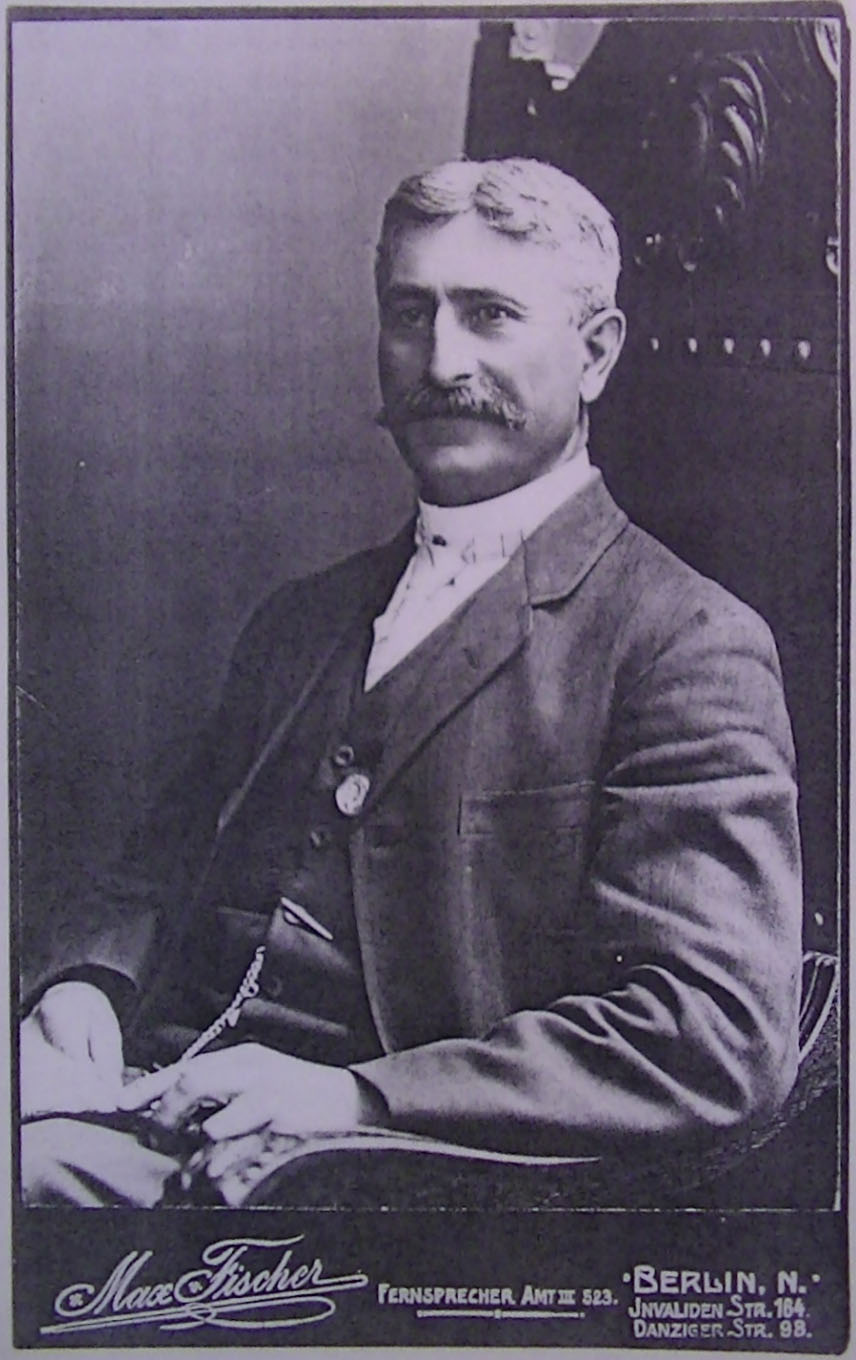
Paul Ferdinand (P.F.) GENSMER (1849-1914) and Maria Dorn (1850-1914) Maria’s family was from Nahausen or Nauhausen, a few miles northeast of Hohen-Kraenig.
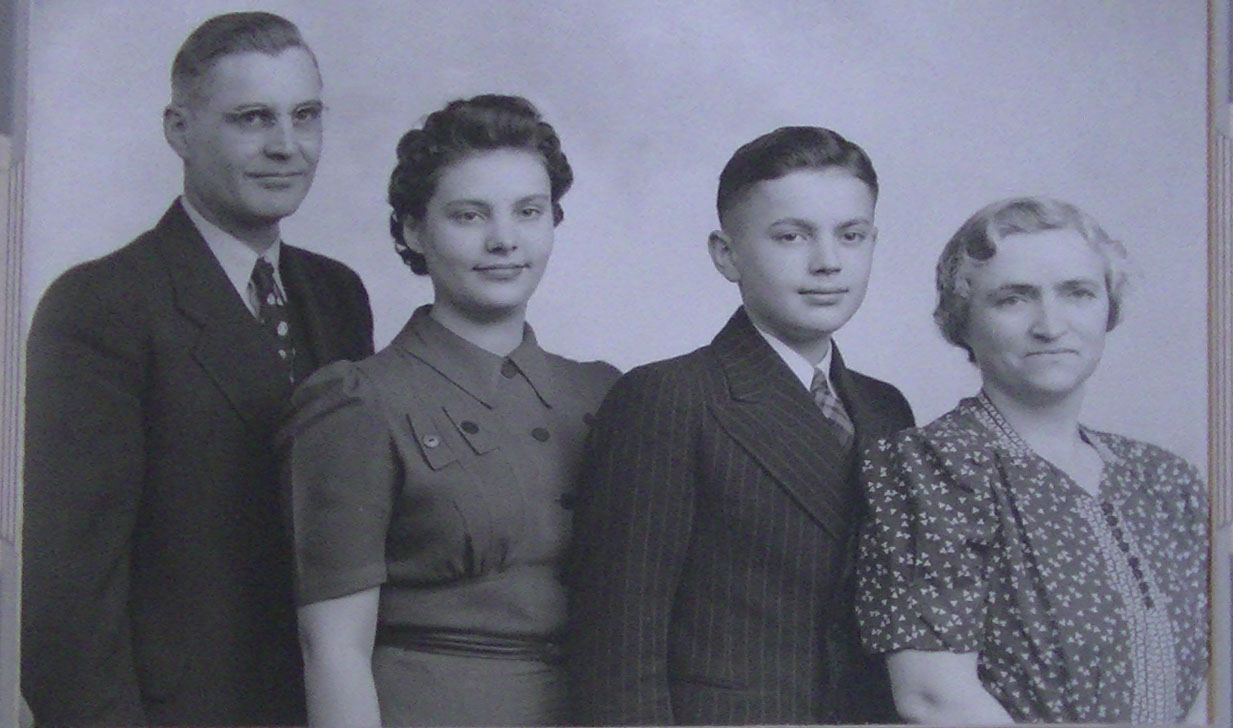
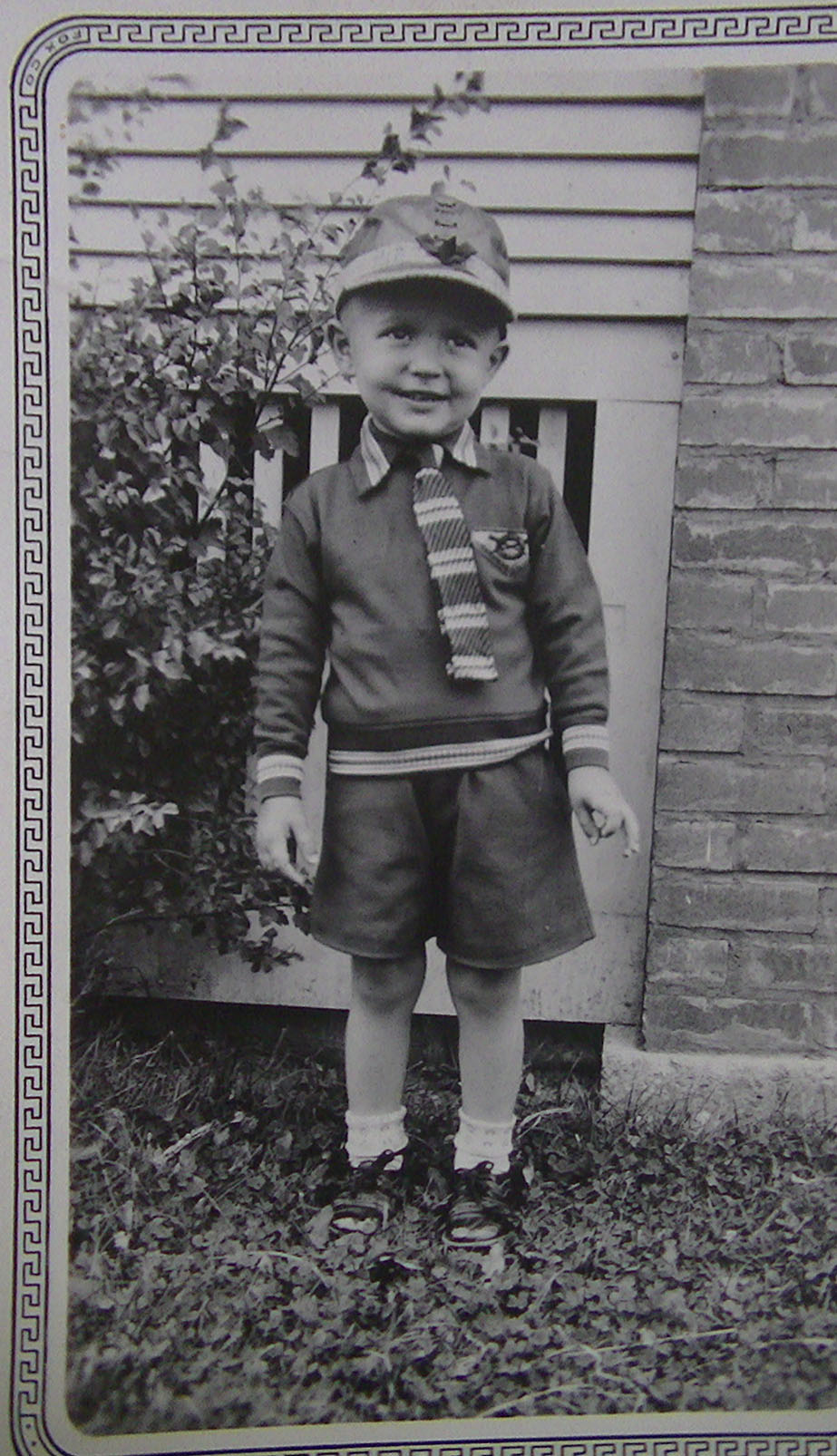
John Ludwig GENSMER (1880 to 1971) and Emma Van HERWYEN (1884-1965)
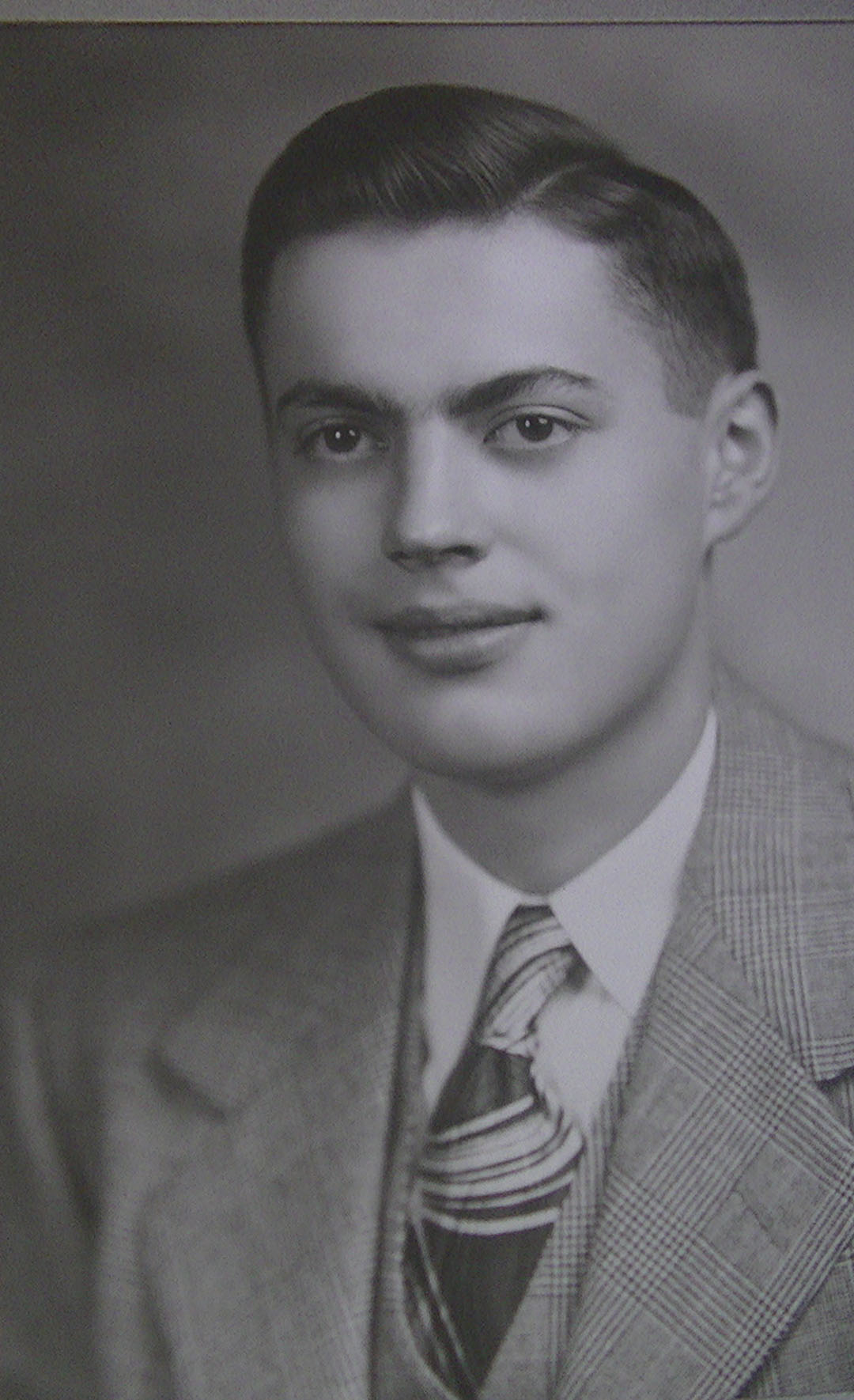
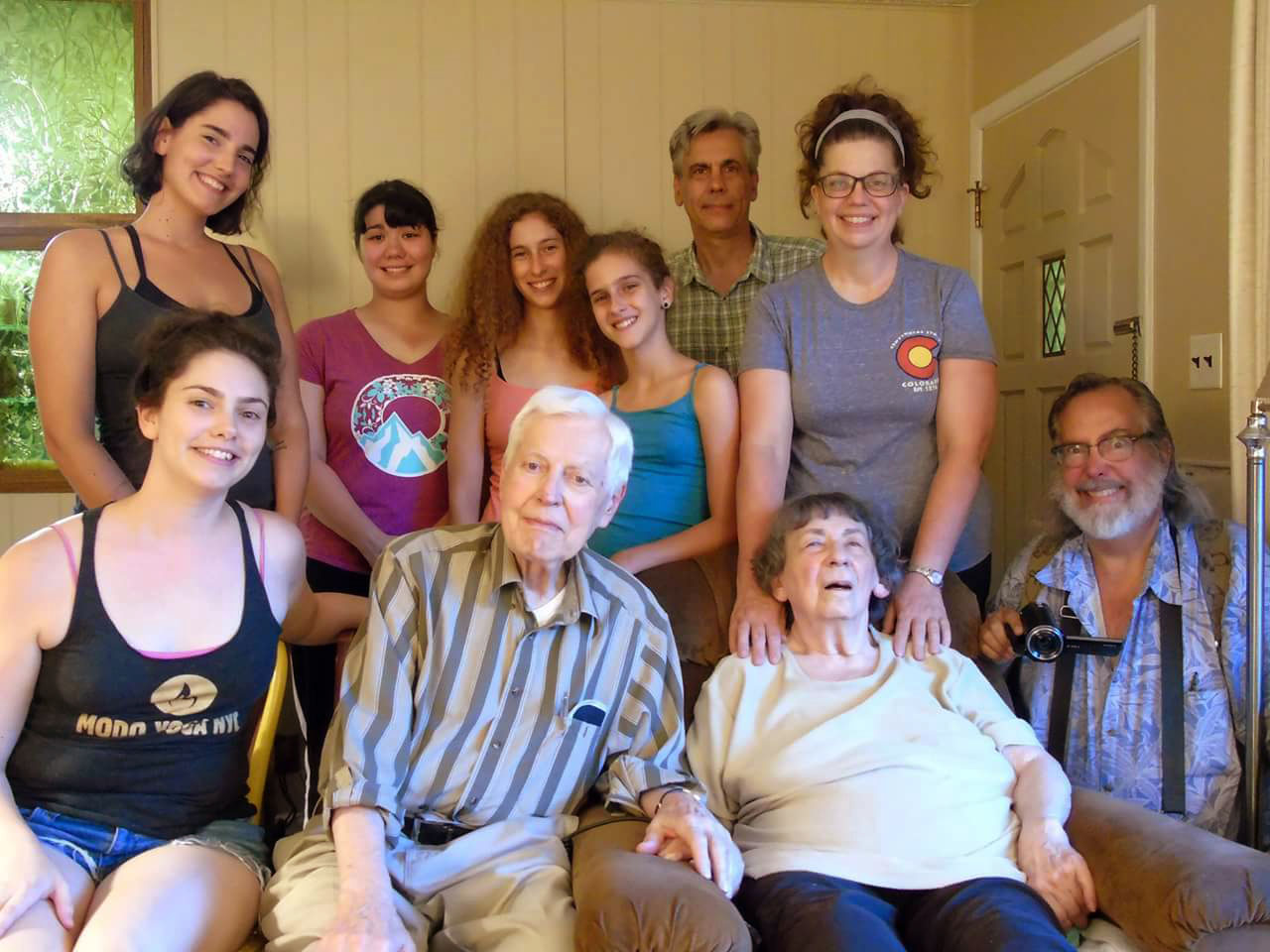
Victor William Ferdinand GENSMER (1927-2007) and Joyce Irene SPIREK(1939-2007)
I was born in 1979, as you can see I have quite a few double generation gaps in my family, making me only a third generation American, as my great grandpa (P.F.) was born in Alt Rüdnitz and came over on the ship at the age of 2.
Some other surnames in my direct line from that area are: KASTNER, DEWITZ, DORN (also spelled DAHRENDT or DAHRENS, possibly even DORNFELD or DORNFELDT), METZKE or MATZKE, JAHANEN or JAHANES, MEIERS, STANTZ or STANZ.
Other Families that intermarried with the GENZMERS include PASCHE, STEINBACH, HILKE, KIESE, VOIGT, MELCHER or MELCHERT, ROEHMILDT, many more than I can think of off hand.
Prior to the dawn of the Internet, I didn’t know much about my family history at all, other than what the old folks remembered that had been passed down. Luckily, I have one set of grandparents, two sets of great grandparents and one set of gr gr grandparents buried in the same cemetery near Bethany, MN. Martin (1809-1902) and Caroline (KASTNER) GENSMER (1810-1907) were my gr gr Grandparents. My dad seemed to know that Martin was also the name of Martin’s father, and that they came to Wisconsin before moving to Minnesota but that’s about it.
My gr great Aunt Maria GENSMER(daughter of Martin and Caroline) married Traugott ROEHMILDT, possibly when the family was still living in Wisconsin in the 1850s… eventually they wound up in the Waterville/Elysian Minnesota area. This move to Minnesota is supposedly what convinced my gr gr grandparents Martin and Caroline to move to Winona County Minnesota with the younger children in 1861. The land west of the Mississippi River had more open prairie suitable for farming…the land in Southeast Wisconsin where they originally settled was dense forests and required an incredible amount of clearing.
My dad told me stories of my grandpa John taking fishing trips to that area of MN (Waterville/Elysian ) and to visit relatives. Maria was the oldest of Martin and Carolines children, born around 1831, and My great grandpa Paul Ferdinand was the youngest, born in 1849. If I remember right, Maria lived to a very old age like her parents, into the 90s. Her younger brother PF did not fare so well. Him and his wife (Maria DORN) both died in 1918, within months of each other.
Two of my older uncles, now long dead, actually remembered P.F. a little, and they described him as a short, stalky man who used to spend a great deal of time in the spring and summer lounging in his hammock in the front yard of his farm.
This is getting off subject, but the little Lutheran Church that PF and some of his close friends and relatives built, just down the road from his farm, celebrated it’s 140th anniversary this past Sunday.(Aug. 19th 2018)
According to one of our old family tree histories, My own Great Great Great grandfather, Gottfried Martin GENZMER, was captured by the French Army around 1810, he escaped, only to be recaptured and sent to a French prison camp for nearly 7 years. This may explain why there is a nearly 9 year gap in the age of his two oldest sons, Martin (1809) and Johann (1817). The whole experience was said to have a very negative effect on him psychologically.
Getting back to my first visit to Alt Rüdnitz, I will certainly say that it was a rewarding experience to stand on the same land that my ancestors called home so long ago, and being the first one in my direct line to set foot there in nearly 150 years. I wish some of those hills and buildings could talk and tell the whole story. I have to remind myself of why they chose to leave to begin with, nearly constant war, famine, and religious conflict.
My first trip to the area was in December 23rd and 24th 1999, when I served in the U.S. Army. It was cold, dreary, cloudy, icy, and even less daylight than I was used to at home in Minnesota. I drove to Berlin the night of the 23rd, and stayed overnight as it was a long drive from where I was stationed in Babenhausen (Babenhausen is about 30 miles Southeast of Frankfurt am Main). I got a lot of strange looks from the local people as I got farther northeast city of Berlin, from Germans and Poles alike, being by myself, with my high and tight haircut and old BMW with “USA” on the plates.
I got a bit nervous as I drove through Hohenwutzen, the last town before my border crossing into Poland. I was alone, and truly on my own, and what I was doing wasn’t truly “legal”, as military members are not supposed to travel more than a few hours from where they are stationed, or cross a boarder without a pass from our chain of command.
The customs agent on the German side was on the phone and listening to the radio. He was pretty involved in whatever he was on the phone talking about, and barely batted an eye at me. He looked at my passport and just said “ok”, handing it back to me and continued on with his phone conversation. The guard on the Polish side was a bit more inquisitive, but did not speak very good English. He did not seem to understand my reason for being there, and eventually just stamped my passport and said “ok, have nice day” and let me drive on.
The first building that greeted me was a McDonalds, small world I thought to myself. I made the hard right turn onto route 126 and continued along the Oder river. What was striking was how much the land reminded me of home. My older relatives always told us, how old folks that were still alive in their generation said that Minnesota and Wisconsin was a lot like Germany. The low lands and wet lands along the Polish side of the Oder are surrounded by hills and steep valleys with small streams that feed into the river, very similar to the land in extreme Southeast MN.
I drove through the former German town of Alt Custrinschen and came up to the Stara Rudnica sign. I stopped to snap a few pictures and drove farther into town. Not much of a town I thought to myself. There was a little church in center of town, a school, a bus stop, and possibly a city hall or some government building…The rest of the town was a strewn mix of somewhat modern Polish house and dilapidated and long abandoned German houses and buildings. The evidence of World War II and Soviet control for over 40 years was still strong.
I noticed lights on in the church, and thought I would sneak inside. It turns out some of the local children were inside practicing for a Christmas Service. One of the ladies approached me eventually and asked me if I needed something. Forget about speaking English, I had to communicate in what little broken German I knew. (Most people living along the border are at least somewhat bilingual) She led me over to what I assumed was the parsonage, and I spoke with an older lady (more than likely the pastors wife) who communicated what she could about the history of the town prior to the war. I tried to ask her if this was the only church that was ever here, she seemed to say that there were 3 or possibly 4 churches there at some point. I am not sure about 3 or 4, but there was in fact a much larger Evangelische Church, with a tall clock and bell tower, clearly visible in some old post cards I have found online. It was that church she was describing to me….the large church mostly survived the war but had a lot of damage, so the Poles that resettled the area tore it down and used the bricks to repair some of the other houses and buildings that could be salvaged.
She seemed to suggest that the little church I visited was built or rebuilt around the time of the war also, but in the old photos around 1900 it is there, and always labeled Luther-Kirche (Lutheran church). And in those photos it look much the same as it does now. I am kicking myself today for not getting some pictures of the inside of the church, but I was kind of distracting the kids. The church was built around 1841, at one point I found an old German newspaper online, describing my gr gr gr uncle Christian GENZMERand his wife buying pieces for the alter and the organ around that time, they were at one of the towns closer to Frankfurt/Oder transporting them. It would be nice to know whether or not that is the original Lutheran church from that time.
I also tried asking her if there were any cemeteries surviving from that time, she seemed to say there were a few graves left but the Red Army pretty much robbed and destroyed everything they came across. She didn’t seem to want to tell me where it was, or tell me much more, I got the feeling she didn’t want me snooping around in the woods. Maybe for good reason, in the 1950s a few kids died by accidentally detonating a bomb from World War II.
As the day got a little brighter, I decided to continue northeast on the road that lead to Grüneberg (Golice). The road was paved at first, then turned to old cobblestone, then rough cobblestone, then a mix of gravel and icy lopsided cobblestone tracks as I got deeper into the woods. A rusted curve sign confirmed that yes, this was an actual road. I starting thinking to myself that maybe this whole thing wasn’t such a good idea, but eventually I came up a hill and back to pavement, and what the Polish consider civilization. I snapped a few pictures of the outside of the tiny church there, and decided to drive toward Zehden (Cydenia).
My gr great Aunt Maria GENSMER (daughter of Martin and Caroline) is listed as being born there. Other than that, I am not really sure what connection Grüneberg really would have to our family. Most of the Germans from that time in that area were fisherman and farmers, and possibly miners.
I remember there being a large monestary or cloister on the hill overlooking the town, then I descended a long steep hill into town.
By this point the clouds were breaking and bright sun seemed to make the countryside seem a lot more alive.
I stopped at a museum in Zehden, and talked to an older man who was already celebrating Christmas early (I could tell he was pretty drunk, but he was friendly enough). He seemed to want to talk more about some ancient graves that were found scattered across that entire countryside, probably dating back to before the Roman Empire. He wasn’t much help for what I was looking for. He was very adamant that he hated the Russians, and how he lived under communist rule for decades; that he made clear.
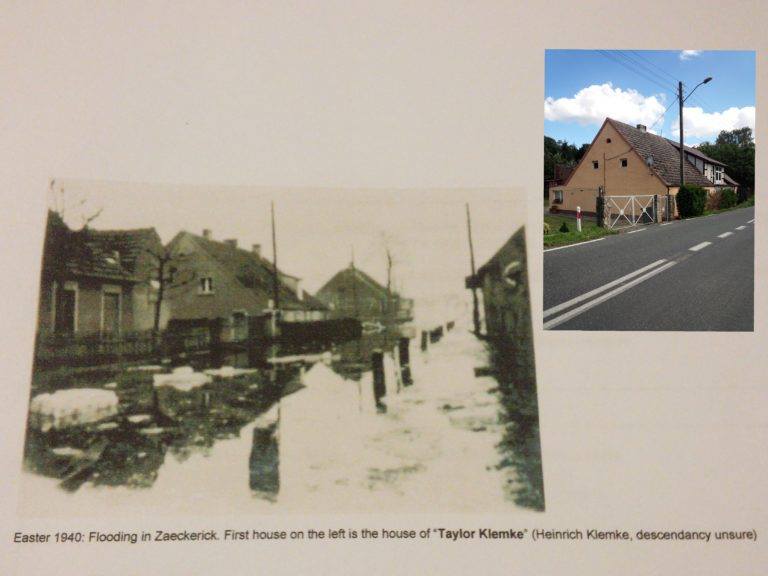
At some point, I went to the Polish Military Cemetery/War Memorial in Siekierki (formerly Zäckerick) and snapped a few pictures. I am having trouble now remembering in what order I did some of these things.
I also went to that monument just east of Niederwutzen (Osinow Dolny, the border crossing ), the one that has the sculpture of the eagle on a pedestal with all the steps leading up to it. It is a victory memorial of a Polish battle from around the 10th century AD., I believe they were fighting against Germanic tribes.
To be honest I can’t even remember if I drove through Königsberg (Chonja) on my first trip. I wish I would have spent more time and been more organized, daylight was really in short supply.
The last place I went to before leaving Poland was Krajnik Gorny (Hohenkränig). This is the town where all of my KASTNER ancestors supposedly came from. I managed to get a picture of the outside of the little church in the middle of town, but the sun was already close to setting.
That is where my journey ended the first time, I crossed into Schwedt on the German side as the sun was setting and began the long drive “home” to Babenhausen.
I also came back in May 2000. I did some visiting with two pastors on the German side of the river in Neu Custrinschen and Neu Lietzegöricke.
I stayed at a motel in Bad Freienwalde. I got to talking with the hotel manager (Heiko GROGER?) about genealogy and the history of the area, and he connected me with 2 church Pastors in the area. One was in Neu Lietzegöricke, the other in Neuküstrinchen.
I don’t remember much about the pastor in Neu Lietzegöricke, but I think I was at the parsonage in town and not the the church itself. He had the old Kirchenbucher (Church books), some dating well back to the 1800s. He actually remembered and had known a few people with my surname living in the area, some of whom were in his congregation or neighboring congregations at one time. A few of them had originally lived on the east side of the Oder in or near Alt Lietzegöricke. None of them were still living.
The thing too, is that GENZMER is not that uncommon of a name in Germany. It’s not as common as a Johnson or a Smith in England, but the name GENZMER is scattered over all parts of Germany. Until recently, GENSMERs in the U.S. seemed to mostly stick to certain parts of Wisconsin, Minnesota, the Dakotas, and Pennsylvania.
Going to Neuküstrinchen, I visited with a Pastor SCHNEIDER. He lived directly across the street from the big church in Neuküstrinchen, called “Dom des Oderbruchs” (Cathedral of the Oderbruch)
A very friendly and helpful older gentleman, he got out the old Kirchenbucher just like the last guy. A few scattered people over the last 150 or so years with my last name, some of them from the Alt Custrinchen area as well, that’s about it.
What was more interesting here was the church itself. A huge brick cruciformed church that basically dwarfs the rest of this tiny little town. The history of the congregation dates well back into the 1700s. Pastor SCHNEIDER also showed me some paintings of the church building that stood here prior to the brick structure.
The inside was also amazing. Huge organ, large hanging lighted chandelier. The church seems much bigger on the inside.
The outside of the church has various small war monuments dedicated to the incredible loss of life suffered at the end of World War II. Pastor SCHNEIDER showed me some battle scars the church had received in World war World War II that had long been repaired. One part of the southern wall was mortared pretty badly in the war, I believe he said the church had some pretty bad roof damage as well.